Tuesday, April 22, 2025
Aerospace Engineering Award – Popular Engineer Awards
Wednesday, April 16, 2025
Safety Protocols in Human Spaceflight Missions
The recent return of NASA astronauts Sunita Williams and Barry Wilmore marks the critical importance of safety protocols in human spaceflight. Their nine-month mission on the International Space Station (ISS) was a testament to rigorous safety measures. The Indian Space Research Organisation (ISRO) is now implementing similar protocols for its Gaganyaan mission. This initiative draws lessons from past incidents and current research to ensure astronaut safety.
Phases of Human Spaceflight
Human spaceflight consists of three main phases – launch, orbit, and reentry. Each phase requires specific safety protocols to protect astronauts.
Safety During Launch
Safety begins on the launchpad. Historical tragedies, like the Apollo-1 fire in 1967, have prompted the implementation of emergency measures. ISRO has equipped its launch pad with ziplines and fireproof lifts. During the launch, an emergency exit device is crucial. The human-rated launch vehicle includes a tower-like structure that allows the crew module to detach quickly in emergencies. The Crew Escape System is vital. It has two motors – the Low-altitude Escape Motor (LEM) and the High-altitude Escape Motor (HEM). These motors activate based on altitude during emergencies. In a pad abort, both motors work together to ensure rapid evacuation. Historical examples, such as the Soyuz T-10 incident and Blue Origin’s NS-23 mission, demonstrate the effectiveness of these systems.
Safety in Orbit
ISRO’s Gaganyaan crew capsule consists of two modules – the crew module and the service module. The service module carries essential systems while the crew module serves as living quarters. In an emergency, the propulsion system can launch the crew module onto a sub-orbital trajectory. Although Gaganyaan won’t dock with a space station, crew members will be trained in docking procedures. The capsule can act as a lifeboat in emergencies, similar to NASA’s protocol during Williams and Wilmore’s mission. The ISS has designated safe areas for occupants to escape dangers like fires or radiation.
Safety During Reentry
Reentry is the most complex phase of spaceflight. The crew module must control its descent to land safely. Thrusters are fired to manage speed and trajectory. The capsule’s heat shield endures extreme temperatures during reentry. As it descends, a sophisticated parachute system is employed. The Gaganyaan capsule will use a 10-parachute system to slow its descent. The deployment sequence is crucial for a safe landing. The parachutes release at specific altitudes, ensuring a controlled descent to the designated splashdown area.
Future of Human Spaceflight Safety
The advancements in safety protocols reflect a growing understanding of the risks involved in human spaceflight. As agencies like NASA and ISRO continue to innovate, the safety of astronauts remains a paramount concern. The lessons learned from past missions will shape the future of human space exploration.
Event Details:
Website: popularengineer.org
- Nomination Link : https://popularengineer.org/award-nomination/?ecategory=Awards&rcategory=Awardee
- To Contact : contact@popularengineer.org
Monday, April 14, 2025
Mount Spurr Volcano
Mount Spurr, situated near Anchorage, Alaska, is currently under scrutiny due to increased volcanic activity. A recent swarm of earthquakes has raised alarms among scientists and residents alike. The Alaska Volcano Observatory (AVO) has reported over 50 seismic events in just one week, indicating magma movement beneath the volcano. This activity suggests a potential eruption could be on the horizon, prompting the city of Anchorage to prepare for possible ash clouds and other volcanic hazards.
Key Facts About Mount Spurr
Mount Spurr is the highest volcano in the Aleutian Arc, located 130 km west of Anchorage, Alaska, near Chakachamna Lake.
Type: It is a stratovolcano (or stratocone) with a large horseshoe-shaped caldera about 5 km wide, open to the south.
Formation of the Caldera:Formed during the late Pleistocene or early Holocene
Result of a massive volcanic collapse and pyroclastic flows that destroyed the older volcano.
The debris from this collapse travelled 25 km
Some debris blocks were as large as 100 meters.
Post-Caldera FeaturesSeveral ice-carved domes formed inside the caldera after the collapse.
Mount Spurr itself is the highest of these domes.
A heating event in 2004 created a small crater lake at the summit.
By 2008, the crater cooled and started accumulating snow again.
Crater Peak (Younger Dome):Located 2 km south of Spurr, at the southern breach of the caldera.
Elevation: 2,309 meters (7,575 feet).
Responsible for about 40 volcanic ash layers (tephra) found from the Holocene period.
Historical Eruptions:Erupted twice in recorded history: 1953 and 1992, both from Crater Peak.
These eruptions caused ashfall in Anchorage.
Historical Context
The last eruption of Mount Spurr occurred in 1992. This event produced an ash cloud that disrupted air travel and blanketed parts of Anchorage. Experts warn that if an eruption occurs now, it may be even more explosive. Predictions suggest plumes of volcanic ash could reach heights of 50,000 feet, creating massive clouds that could darken the skies over Anchorage.
Scientific Observations
The AVO has noted several signs of unrest at Mount Spurr. Elevated gas emissions and ground deformation are clear indicators of internal pressure. Although recent satellite monitoring has been hampered by cloudy skies, the increase in seismic activity is a concerning trend. The frequency of earthquakes has surbdbdbdbdbdbdbdbdbdbdbdbdged dramatically since April 2024, indicating that the volcano may be preparing for eruption.bd
Event Details:
Website: popularengineer.org
- Nomination Link : https://popularengineer.org/award-nomination/?ecategory=Awards&rcategory=Awardee
- To Contact : contact@popularengineer.org
#MountSpurr
#AlaskaVolcano
#VolcanoMonitoring
#VolcanicActivity
#VolcanoEruption
#USGSVolcanoes
#AlaskaRange
#GeologyRocks
#Volcanology
#VolcanoWatch
#ActiveVolcano
#NaturePower
#LavaLife
#EarthScience
#TectonicPlates
#VolcanoPhotography
#NaturalHazards
#VolcanoResearch
#SpurrEruption
Saturday, April 12, 2025
Distinguished Scientist Award
This prestigious accolade honors a scientist whose groundbreaking research and sustained contributions have significantly advanced the field of engineering. Recognizing innovation, leadership, and global impact, the award celebrates excellence that inspires future generations of engineers and researchers
#DistinguishedScientist
#EngineeringExcellence
#ScientificInnovation
#TechLeaders
#ResearchImpact
#STEMLeadership
#EngineeringAwards
#GlobalScience
#InnovateForFuture
#PopularEngineeringAwards
Friday, April 11, 2025
World’s First 3D-Printed Train Station in Japan
Recently, Japan’s West Japan Railway Company revealed the world’s first 3D-printed train station in Arida town. This innovative project replaced a weathered wooden complex that had been in operation since 1948. The new station, Hatsushima, was constructed swiftly in under six hours, showcasing the potential of 3D printing technology in addressing the challenges faced by Japan’s ageing infrastructure and workforce.
Construction Process
The construction of Hatsushima station involved a unique process. A construction firm named Serendix was hired to create the station’s components. The printing of parts took only seven days at a factory in Kumamoto Prefecture. These parts were made from a special mortar designed for durability. Once printed, the components were transported 500 miles to the station site.
Assembly and Completion
On the night of construction, workers assembled the pre-printed parts after the last train departed. The assembly process utilised cranes to place each component accurately. Remarkably, this was completed before the first train of the next day. The station, measuring just over 100 square feet, still requires interior work and installation of ticketing machines.
Significance of the Innovation
This initiative is crucial for Japan, where the population is ageing and the workforce is shrinking. Traditional construction methods for railway stations are time-consuming and costly, often taking over two months. The 3D-printed station presents a solution to maintain infrastructure with fewer workers. This technology could set a precedent for future projects in remote areas.
Broader Implications for Construction
3D printing in construction is gaining traction globally. For instance, India has also begun using this technology for building structures. Godrej Properties revealed the first 3D-printed villa in Pune, utilising recycled materials to reduce environmental impact. This trend indicates a shift towards sustainable building practices.
Future Prospects
The West Japan Railway Company plans to officially open Hatsushima station in July 2025. This project is not just a technological marvel but also a response to a pressing need for efficient infrastructure solutions in an ageing society. The success of this station could lead to wider adoption of 3D printing in construction across various sectors.
Event Details:
Website: popularengineer.org
- Nomination Link : https://popularengineer.org/award-nomination/?ecategory=Awards&rcategory=Awardee
- To Contact : contact@popularengineer.org
#HatsushimaStation
#JRWest
#Serendix
#RailwayInnovation
#ConstructionTech
#SmartInfrastructure
#SustainableDesign
#JapanInnovation
#3DPrinting
Tuesday, April 8, 2025
HPV Vaccination Initiatives in India for Cervical Cancer
The Government of India is intensifying efforts to combat cervical cancer through the Human Papillomavirus (HPV) vaccination programme. The Union Health Ministry is set to enhance the capacity of frontline workers involved in the vaccination process. Recent discussions and strategies have emerged following the government’s commitment in the 2024 interim budget to promote vaccination among girls aged 9 to 14. This initiative is crucial as India accounts for proportion of global cervical cancer cases.
About Human Papillomavirus (HPV)
HPV is a group of over 200 viruses. More than 40 types can be transmitted through sexual contact. Certain HPV types lead to genital warts, while others are linked to cancers. Specifically, HPV types 16 and 18 are responsible for the majority of cervical cancer cases. The virus is the most common sexually transmitted infection worldwide, often asymptomatic. Persistent infection can lead to cancer.
Importance of HPV Vaccination
The HPV vaccine is essential for preventing infections that may lead to cancer. It is most effective when administered between the ages of 9 and 26. The vaccine series protects against various HPV types known to cause cervical and other cancers. Vaccination can reduce the risk of developing cervical cancer in both men and women.
Current HPV Vaccines in India
India currently has two main HPV vaccines available – Gardasil 4 by MSD Pharmaceuticals and Cervavac by Serum Institute of India. Both vaccines target four HPV sub-types, while Gardasil 9 covers nine sub-types. These vaccines are designed to protect against cervical, vulvar, vaginal, and anal cancers, along with genital warts.
Government Initiatives and Recommendations
The National Technical Advisory Group on Immunisation (NTAGI) has recommended the inclusion of the HPV vaccine in the Universal Immunisation Programme. This aligns with global health recommendations, which suggest a single-dose administration for optimal protection. The government’s strategy includes capacity-building activities for healthcare workers and public education campaigns to raise awareness about HPV vaccination.
Cervical Cancer Statistics in India
India has about 16% of the world’s female population but accounts for approximately 25% of cervical cancer cases globally. The country sees around 80,000 new cervical cancer cases annually, resulting in nearly 35,000 deaths. The lifetime risk of developing cervical cancer for Indian women is 1.6%, with a 1% death risk.
Future Directions
The government is committed to expanding HPV vaccination coverage. Increased training for healthcare workers and public awareness initiatives are vital. These efforts aim to reduce the incidence of cervical cancer and improve women’s health outcomes across India.
Event Details:
Website: popularengineer.org
- Nomination Link : https://popularengineer.org/award-nomination/?ecategory=Awards&rcategory=Awardee
- To Contact : contact@popularengineer.org
#CervicalCancerAwareness
#PreventCervicalCancer
#HPVFreeIndia
#VaccinateGirls
#CervicalCancerPrevention
#HPVImmunization
#WomensHealthIndia
Wednesday, March 26, 2025
Excellence in Research Award at Popular Engineer Awards
The Excellence in Research Award at the Popular Engineer Awards celebrates exceptional professionals who have made significant contributions to research through publications, collaborations, and groundbreaking work. This prestigious award honors those advancing knowledge and pushing boundaries in their fields. Nominate a deserving individual today and recognize their remarkable achievements!
Event Details:
-
Date: 28-29 March 2025
-
Location: San Francisco, United States
-
Website: popularengineer.org
- Nomination Link : https://popularengineer.org/award-nomination/?ecategory=Awards&rcategory=Awardee
- To Contact : contact@popularengineer.org
#PopularEngineerAwards
#ResearchExcellence
#InnovativeResearch
#EngineeringInnovation
#ResearchContributions
#NominateNow
#SanFrancisco2025
Thursday, March 20, 2025
Nominations Open Now For The Excellence in Innovation Award!
Friday, March 14, 2025
Popular Engineer Awards 2025
The Popular Engineer Awards celebrate the outstanding achievements of women researchers and engineers who have made significant contributions to the field of engineering. This prestigious event, happening from 28-29 March 2025 in San Francisco, United States, honors trailblazing women who are shaping the future of innovation, research, and technology. Join us in recognizing their excellence, leadership, and groundbreaking work in engineering, inspiring the next generation of female engineers worldwide.
Popular Engineer Award
Thursday, March 6, 2025
Recognizing outstanding faculty for their exceptional contributions to engineering through teaching, research, and innovation.
Popular Engineer Awards - Best Faculty
Event Details:
Date: 28-29 March 2025
Location: San Francisco, US
Nominate Now! at popularengineer.org
#BestFaculty #PopularEngineerAwards #EngineeringExcellence #NominateNow #EngineeringInnovation #FacultyAwards
Popular Engineer Award
====================
Website Link : popularengineer.org
Nomination Link : https://popularengineer.org/award-nomination/?ecategory=Awards&rcategory=Awardee
To Contact : contact@popularengineer.org
🔗 Follow us on social media for more updates!
Facebook: https://www.facebook.com/profile.php?id=61563599507911
Twitter: https://twitter.com/PopularE48442
Instagram: https://www.instagram.com/popularengineerresearch/
Tumblr:https://www.tumblr.com/dashboard
Pinterest: https://in.pinterest.com/popularengineer12/
Wednesday, March 5, 2025
Nominate for The BEST SCHOLAR AWARD Now!!!
Best Scholar Award
Welcome to the Popular Engineer Awards!
We are thrilled to extend a warm welcome to the Popular Engineer Awards!Join us for the Popular Engineer Awards, a premier event in the realm of research. Whether you're joining virtually from anywhere in the world, this is your invitation to explore and innovate in the field of research. Become part of a global community of researchers, scientists, and professionals passionate about advancing research.
Popular Engineer Awards for an Interconnected World
Our conference theme, "Popular Engineer Awards for a Connected Future," sets the stage for a year of discovery. Dive into groundbreaking research, engage with experts, and be part of the global conversation shaping the future of research.
Thank You for Being a Part of the Popular Engineer Awards
Join us on this journey as we build a sustainable and connected future, together. The Popular Engineer Awards is your opportunity to be part of an unforgettable experience that will shape tomorrow's Popular Engineer Awards.
We eagerly anticipate your active participation and contributions at the Popular Engineer Awards. See you there!
Best Scholar Award
Publication Required: Nominees must demonstrate recognized research contributions, such as publications.
Additional Information: This award aims to identify and support young scholar or student researchers with the potential to become leaders in their fields.
Website Link : popularengineer.org
Nomination Link https://popularengineer.org/award-nomination/?ecategory=Awards&rcategory=Awardee
Contact Info : contact@popularengineer.org
Tuesday, February 25, 2025
Vietnam’s Baseline Claim in Gulf of Tonkin
About Baselines and Maritime Claims
- Baselines are critical in international maritime law.
- They serve as reference points for measuring the breadth of territorial waters.
- The establishment of baselines is often contentious, especially in areas like the South China Sea.
- Vietnam’s new baseline runs from offshore Quang Ninh province to Quang Tri province, marked by 14 points. This legal framework is intended to strengthen Vietnam’s claims over its maritime zones.
Vietnam’s baseline is rooted in the United Nations Convention on the Law of the Sea. It also aligns with the Agreement on the Delimitation of the Gulf of Tonkin, signed with China in 2000. This agreement is crucial for resolving disputes and clarifying maritime boundaries. Vietnam’s foreign ministry emphasised that the baseline enhances its ability to manage marine resources and promote international cooperation.
- Geopolitical Context in the Gulf of TonkinThe Gulf of Tonkin is located in the northwestern part of the South China Sea.
- It is bordered by northern Vietnam and China’s Guangxi Zhuang Autonomous Region.
- The gulf covers an area of approximately 126,250 square kilometres.
- Both Vietnam and China have historical claims in this region, making it a focal point for geopolitical tensions.
The term “Tonkin” originates from the Vietnamese word “Đông Kinh,” meaning “eastern capital.”
Historically, it referred to the northern region of Vietnam during French colonial rule.
The name reflects the rich cultural and historical heritage of the area.
The gulf is also known as Vịnh Bắc Bộ in Vietnamese and Běibù Wān in Chinese, both translating to “Northern Bay.”
Geographic Characteristics
The Gulf of Tonkin is relatively shallow, with most of its ocean floor less than 75 metres deep. The maximum depth does not exceed 100 metres. This geographical feature influences marine biodiversity and economic activities such as fishing and shipping. The shallow waters are vital for local fisheries, underpinning the livelihoods of many communities.
Website Link : popularengineer.org
Nomination Link https://popularengineer.org/award-nomination/?ecategory=Awards&rcategory=Awardee
Contact Info : contact@popularengineer.org
#Vietnam
#GulfOfTonkin
#MaritimeClaims
#SouthChinaSea
#InternationalLaw
#VietnameseSovereignty
#GulfOfTonkinDispute
#Geopolitics
#UNCLOS
#TerritorialWaters
Friday, January 3, 2025
ISRO to Launch US Communications Satellite Bluebird
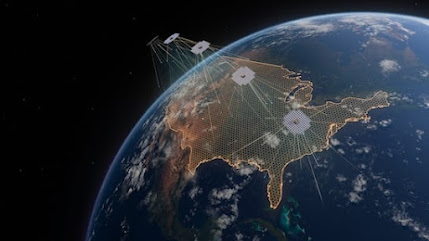
The Indian Space Research Organisation (ISRO) is set to make history by launching an American communications satellite. This is the first time an American company is using an Indian rocket for such a large and advanced satellite. The mission is expected to occur in February or March 2025.
Background of the Mission
Historically, ISRO has focused on launching small satellites from American manufacturers. The upcoming launch will be the first instance of a massive communications satellite being deployed by a US company from Indian soil. This initiative reflects the growing partnership between India and the United States in the field of space technology.
The Role of AST SpaceMobile
Technical Specifications of the Satellite
- The satellite in question is the Bluebird satellite, which will be launched into low Earth orbit using ISRO’s Geo-synchronous Satellite Launch Vehicle (GSLV).
- It will feature a large 64 square-meter antenna, approximately half the size of a football field.
- The satellite is projected to weigh around 6,000 kg, showcasing its capability to handle substantial data transmission.
This satellite aims to revolutionise mobile communication by enabling direct voice calls from space. It eliminates the need for special setups, unlike other systems like Starlink. Users will benefit from enhanced connectivity, especially in remote areas where traditional mobile networks may be unreliable. The technology promises to bridge the communication gap and provide broadband internet access globally. It aims to make 5G broadband affordable and accessible in underserved and remote areas. It will support critical services such as education, healthcare, social networking, and promote economic opportunities.
Key Facts About
- GSLVGeosynchronous Satellite Launch Vehicle is designed to place communication satellites into Geostationary Transfer Orbit (GTO) using a cryogenic third stage for higher thrust.
- Significance: GSLV is a medium-lift launch vehicle and marks India’s move toward self-reliance in launching heavy satellites for communication, meteorology, and strategic purposes.
- It played a key role in major missions like Chandrayaan-2.
- 1990: ISRO began developing GSLV to achieve sovereign satellite launch capability.
- 2000: First experimental flight carrying GSAT-1 failed due to cryogenic stage limitations.
- 2014: First successful flight with an indigenous cryogenic upper stage launched GSAT-14 (GSLV-D5).
- Since 2017: Achieved 6 consecutive successful flights, establishing reliability.
- Used Russian cryogenic upper stage due to early challenges in developing indigenous technology.
- Payload capacity: 2–2.5 tons to GTO.
- Operated from 2001–2010 with 5 flights.
GSLV Mk II:
- Features indigenous cryogenic engine.
- Payload capacity: 2.5 tons to GTO.
- First successful launch: 2014 (GSAT-14).
- Most advanced variant with a payload capacity of 4 tons to GTO.
- Used for significant missions like Chandrayaan-2 and future human spaceflight missions.
Enables heavier payloads in higher orbits, vital for communication satellites.
Website Link : popularengineer.org
Nomination Link https://popularengineer.org/award-nomination/?ecategory=Awards&rcategory=Awardee
Contact Info : contact@popularengineer.org
#ISRO
#BluebirdSatellite
#ISROLaunch
#SatelliteLaunch
#ISROMission
#SpaceExploration
#SatelliteTech
#BluebirdUS
#IndianSpaceAgency
#SpaceInnovation